
Pastors often carry a quiet burden to measure their ministries against what appears to be working elsewhere. The fruitfulness of a prominent church, a parachurch model, or a well-known leader can easily become a mirror in which we examine our own faithfulness. The instinct is understandable. When something seems to bear visible fruit, we naturally wonder whether we should imitate it. Yet if pragmatism becomes our measure, ministry can grow anxious and rigid, and we may become less attentive to the particular sheep Christ has placed in our care. This article is not another program to copy. It is a gentle invitation to recover a neglected pastoral joy: helping a local church behold Christ together and cultivate creativity within the warmth of its fellowship.
Our hearts were made to long for more than visible success. Yet even in ministry, we can quiet our longings with lesser satisfactions and call them fruitfulness. What if, instead, we allowed holy yearning to remain awake among us? What if we helped our people linger before the beauty of Christ until desire became worship? The creation mandate teaches us to receive and cultivate the world God has created. When we live this way, our work is animated by desire: desire for beauty, for goodness, for communion, and ultimately for Christ himself. When a church learns to carry that longing together, creativity becomes more than an activity. It becomes a shared act of devotion.
Here’s my encouragement for pastors: we can encourage our churches not merely to consume beautiful things, but to behold the beauty of Christ together and then express what we have seen within the fellowship of the body. In our church, that expression has taken the form of hymn writing. In another congregation, it may have a different shape. The particular form matters less than the pastoral instinct behind it: creativity is not an ornament to church life, but one way the people of God respond together to the glory of Christ.
Begin by Beholding Christ in the Word
Because God reveals his Son through his Word, we begin not with technique, but with Scripture. We gather as sheep before the voice of the Great Shepherd. In our church, we use what I call “synthetic biblical exposition”: a way of reading an entire biblical book together so that its major themes, repeated words, and movements of thought become visible to the whole fellowship. We read the book, identify recurring words and themes, divide it into its largest units of thought, and summarize each section in a single sentence. We even choose a main verse to represent each section and are challenged to memorize the verses we pick. Throughout the process, we return to two prayerful questions:
Where do we see the beauty of Christ?
What ought we express in response to the beauty we see?
Pastors are accustomed to showing their people where to see Christ and how to respond. That is a good and necessary part of faithful shepherding. Yet there are times when our desire to teach well can quietly become a desire to control the encounter. We may begin to trust the neatness of our outline more than the sufficiency of the Word itself. If Scripture is sufficient, and if the Holy Spirit is able to sanctify the sheep, then we can lead with confidence rather than anxiety. The apostle Peter, commissioned by Christ to shepherd the flock, remained a sheep himself. Pastors should tend and feed the church while standing with the church beneath the authority, mercy, and beauty of the all-sufficient Word.
Give the Church a Way to Express What It Sees
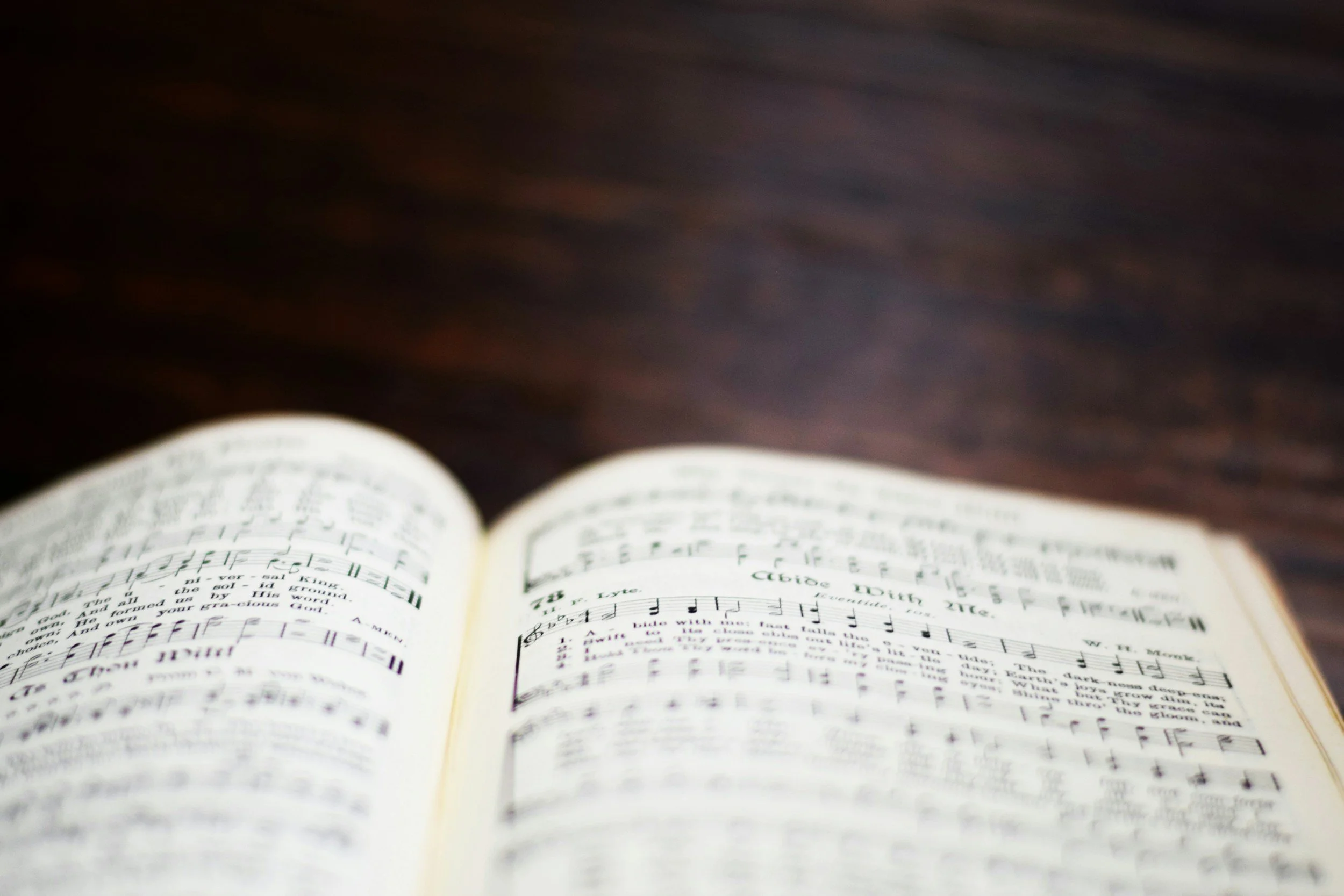
Once the church has seen something of Christ’s beauty in the Word, the next pastoral question is not merely, “What did we learn?” but “How shall we respond together?” For our congregation, that answer has become hymn writing. A hymn gives the fellowship a way to take the truth we have seen, shape it into memorable language, and place it on the lips of the congregation. Other congregations may find a different form of expression, but the principle remains: the beauty beheld in Scripture should not remain abstract. It should be confessed, sung, prayed, shared, and embodied within the fellowship of the saints. Perhaps even expressed artistically, but let it be within fellowship.
Writing the Hymn Text
If someone in the fellowship is gifted in poetry, invite that person to place the gift in service of the body. This invitation should feel less like recruiting a volunteer for a task and more like welcoming a gift into the shared life of the church. The poet’s task is to take the summary statements produced during biblical exposition and shape them into verse. If a truth was worth stating plainly in the first phase, it is worth stating beautifully in the second. Early in the process, the poet should establish a rhythm and rhyme scheme that can carry the remaining verses. Then, week by week, the poet can bring drafts to the fellowship for prayerful conversation.
The group may ask questions, notice biblical emphases, and suggest stronger wording, while the poet retains final creative direction. This kind of fellowship requires humility from everyone involved. The poet offers a gift without defensiveness; the congregation receives and responds without trying to seize control. Without that leadership, the work can lose momentum in a sea of opinions. With it, the congregation’s participation becomes clarifying, encouraging, and deeply formative.
Composing the Hymn Tune
The same principle applies to the hymn tune. A melody writer should take the reins and begin offering musical drafts once the first verse has taken shape. The tune must serve the text, but it must also serve the congregation: it should be singable, memorable, and fitting to the weight of the truth being expressed. As the fellowship begins to sing words it helped form, the project becomes tangible. What once seemed impossible is suddenly heard from one another’s voices, and the room begins to recognize a shared gift of grace.
When the tune begins to carry the text, let the church enjoy the beauty of what it has helped bring into being. The composer should retain final judgment, but the fellowship should recognize its own fingerprints on the work. Pastors, shepherd your people through that joy. Do not sequester gifted members in private creative spaces disconnected from the body. Invite their gifts into fellowship, and help the church sing the truth it has beheld together before the Lord.
A Final Word to Pastors
This idea may unsettle pastors as much as it inspires them. It requires patience, vulnerability, and a willingness to let members of the body contribute in ways that cannot be fully scripted. Some will wonder whether the effort is worth it. I want to urge pastors to consider that creativity is not peripheral to discipleship. Our people need to be shepherded not only in what they believe and how they obey, but also in how they receive the goodness of God, cultivate what he has entrusted to them to steward, and express the beauty of Christ with grateful hearts.
What if No One Is Gifted in Hymn Writing?
What if no one in the church is ready to write a hymn? The principle still holds, and pastors need not force the form. Perhaps a poet or musician outside the congregation could help shape the church’s summary statements into a hymn text or tune. Perhaps the summaries could guide a season of liturgy, prayer, Scripture readings, or hymn selection during a preaching series. In our church, in addition to the newly composed hymn, these summaries help us choose existing hymns that correspond to the biblical book before us. My preaching calendar has been blessed with a corresponding liturgy of hymns and scripture readings. The goal is not novelty. The goal is to shepherd the church toward a shared expression of the beauty of Christ, so that together we may behold him, love him, and answer him with praise.
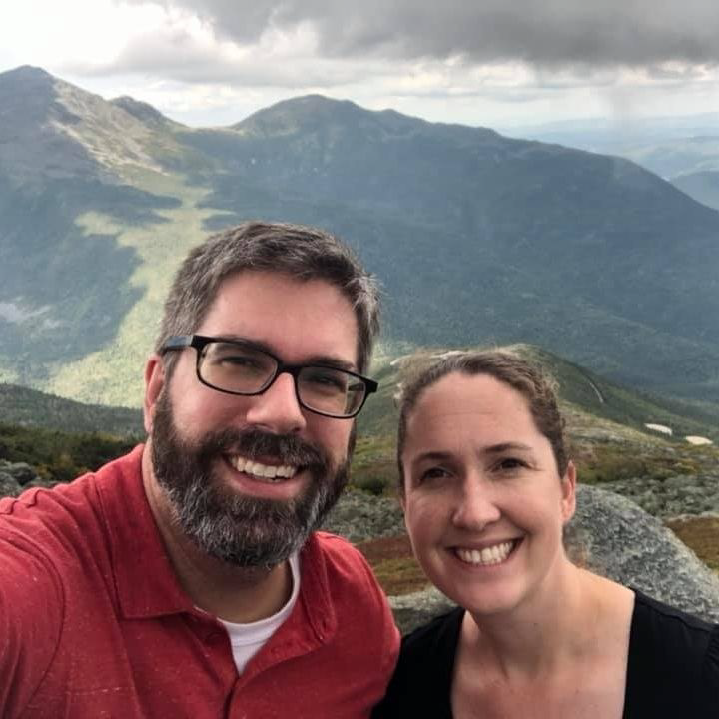
Brett Cody
Brett was born and raised in a small town in Texas. He was granted faith in Jesus Christ at the age of nine. He holds a Bachelor of Mu-sic degree in Composition from Baylor University and a Master of Divinity degree from Southeastern Baptist Theological Seminary. He has been pastor of Whiting Community Church since May of 2014. Before serving in Vermont, he served the local church in North Carolina. He has also served in churches in Texas. He has a passion for preaching and teaching the Word of God and desires to build a Great Commission Church. He and his lovely wife, Sabrina, have four children.